How to Choose the most effective Long-term LED Lighting Installment for Your Property
A good permanent lighting system changes just how a property considers night, but the genuine worth goes beyond curb charm. When the installment is succeeded, the lights vanish right into the style throughout the day, execute dependably in poor weather condition, and let you change from refined accent lighting to complete holiday shade without touching a ladder. When it is done inadequately, you wind up with visible tracks, uneven illumination, failed sections, application glitches, and a system that always really feels a little unfinished.
That space in between "looks terrific in the sales brochure" and "functions perfectly on a genuine house" is where clever buying decisions issue. Permanent LED Illumination Installation is component electrical project, part style job, and part long-lasting service connection. A lot of homeowners naturally focus initially on color selections and holiday results. In technique, the far better inquiries are typically regarding the installing technique, control platform, warranty terms, solution accessibility, and whether the installer comprehends your roofline and residential or commercial property style.

I have actually seen elegant homes made to look economical by the incorrect item, and really normal homes raised by a restrained, thoughtful mount. The distinction often boils down to judgment. The very best system for your building is not constantly the brightest, one of the most feature-packed, or the least pricey. It is the one that fits the architecture, the environment, and the means you in fact wish to use it.
Start with the residential or commercial property, not the product brochure
Before you contrast brands, go back and look at the house itself. A permanent lighting system has to work with the building lines that currently exist. A high two-story home with numerous gables requires a different strategy than a single-story ranch, a block colonial, or a modern-day home with crisp soffits and covert fascia details.
The first question is aesthetic: what do you want the building to feel like during the night? Some proprietors desire festive, animated Permanent Holiday Lights that can run every major holiday and game day. Others care a lot more regarding understated architectural laundry, path meaning, or protection lighting. Several want both. That is possible, but only if the fixture outcome and positioning support more than one use case.
A home in a historical area commonly looks best with restrained results and Classic Warm Soft Lights for most of the year. A more recent home in an area where exterior lights belongs to the visual society might sustain bolder scenes and shade programs. Neither is right or incorrect. The blunder is picking a system based upon a showroom demonstration as opposed to the building in front of you.
Look closely at rooflines, soffit depth, trim color, stonework structure, and visibility from the street. If the mounting network contrasts greatly with the fascia or sits listed below the ideal shadow line, you might discover it all day long. On a dark home with deep eaves, that might not matter a lot. On a light-painted residence with superficial trim and straight mid-day sunlight, it matters a lot.
The finest installments conceal in simple sight
One of the initial points I ask owners to assess is daytime look. During the night, virtually any type of programmable LED system can thrill for a couple of minutes. Daytime is where quality comes to be obvious. The hardware should feel incorporated, not added on as an afterthought.
Mounting place is essential. Some systems put under the soffit so the specific nodes are barely visible. Others place on fascia sides where they are easier to see. There can be valid reasons for either selection, specifically when a home has unpleasant geometry, but a clean daytime appearance should be part of the design, not a lucky outcome.
Color matching matters as long as placement. The track or network should very closely match the trim or soffit color. If the installer claims, "You will not see it," ask to see real pictures of homes in daylight from the curb, not simply close-up samples. A white track on brilliant white trim can still attract attention if the account is chunky or the spacing is inconsistent.
There is likewise a sensible side to camouflage. Hidden equipment is usually much better protected from UV exposure and direct water impact. That can assist long-lasting sturdiness, specifically in environments with solid sun, freeze-thaw cycles, or wind-driven rain.
Brightness is not a straightforward spec
Homeowners frequently compare systems by asking exactly how intense the LEDs are. That sounds rational, but illumination on paper rarely informs the entire story. Excessive output can develop glare, location, and a harsh look that fights the architecture. Insufficient result leaves colors washed out from the road. The best degree depends on the placing height, spacing, lens angle, and the reflectivity of your home surface.
For example, warm white on light-colored stucco tosses differently than red or blue on dark brick. A two-story install mounted high in a deep soffit often requires a various beam pattern than a low roofline near the road. Good installers recognize that result is not just a product spec. It is a design variable.
This is particularly important if you desire the system to do double task. Long-term Vacation Lighting may need adequate punch to produce solid seasonal screens, but your daily illumination ought to still feel comfy. A high quality controller must allow you make improvements intensity by area and conserve scenes for different usages. For many homes, the feature that obtains made use of most is not the fancy vacation predetermined. It is the easy, repeatable setup that looks great on a Wednesday night in October.
Classic Warm Soft Lights should have unique attention below. Several purchasers assume all "warm white" setups look comparable. They do not. Some systems generate an all-natural, amber-leaning heat that flatters brick, rock, and timber. Others land in a cooler or a little greenish array that feels artificial. If warm white matters to you, insist on a live demonstration after dark on a genuine installment, not just a phone video clip. Video cameras exist, especially with LEDs.
Controls can make or damage the ownership experience
The application might seem like a small information during the sale. Six months later, it often comes to be things you either appreciate each week or complain regarding every vacation season.
A great control platform should be steady, user-friendly, and flexible enough for both simple organizing and custom-made scenes. At minimum, you desire very easy control over color, brightness, timer settings, and zones. Better systems also enable schedule automation, saved presets, grouping, and smooth transitions that do not look agitated or novelty-driven.
The inquiry to ask is not simply "What can the app do?" but "How easy is it to do continuously?" If your family wants subtle cozy light at 30 percent brightness every night and red-green holiday scenes just in December, that need to take seconds, not a tutorial. If your spouse or moms and dads require to use it, can they figure it out without calling you?
Connectivity matters also. Some systems depend greatly on home Wi-Fi. Others utilize committed controllers with even more resistant interaction. Neither technique is immediately much better, yet inadequate signal planning triggers an unusual variety of service telephone calls. A removed garage, steel soffit information, thick masonry, or a barn can hinder efficiency. An experienced installer checks this early.
The installer matters greater than the brand name name
This is the part many individuals ignore. Even a strong item can fail when the installment is rushed or managed by a team that deals with illumination like a straightforward add-on. Permanent LED Illumination Installation demands interest to layout, power circulation, waterproof connections, roofline shifts, and serviceability.
I have seen systems with gorgeous app demos mounted with noticeably irregular spacing around gables. I have actually also seen lower-profile brands look amazing because the crew cared about proportion, concealment, and clean wire management. Brand issues, yet workmanship issues more.
When you speak with installers, ask who in fact carries out the job. Some business market strongly and subcontract the task to crews with differing ability degrees. Others utilize internal groups that do this every week. There is a large difference. Rooflines teem with tiny choices that affect the result, such as where to begin a run, just how to turn a corner cleanly, just how to conceal a feed line, or how to prevent accentuating an irregular fascia edge.
A strong installer will chat conveniently regarding these information. A weak one will maintain steering the conversation back to shade effects.
Ask genuine project photos, not simply polished marketing
The ideal proof is a neighboring home with a similar roofline. Stopping working that, request for task pictures taken in daylight and at night from typical viewing distances. Close-up prestige shots tell you really little. You want to know how the system checks out from the road, from the driveway, and from the front walk.
If your home has dormers, stone columns, a wraparound porch, or a detached structure, ask particularly for instances with those features. Installers who have done enough job will have them. If they just show a handful of common homes, that is not constantly invalidating, however it does mean you must ask even more questions.
One helpful trick is to request an image tackled a cloudy day. Extreme sunlight can hide the exposure of tracks and wiring. Cloudy light discloses whether the hardware mixes or stands out.
Durability is about environment as much as materials
The best system in Arizona may not be the most effective system in Minnesota or seaside Florida. Warmth, UV exposure, wind, salt air, snow load, and freeze-thaw cycles all stress exterior illumination in different ways.

If you live where ice dams develop, the installing technique is worthy of additional care. If you are near the shore, corrosion resistance need to be front and center. In really warm environments, controller placement and component warmth tolerance matter more than many customers realize. An installer that works in your area need to have the ability to clarify what really stops working in your setting and how their chosen system addresses it.
Pay focus to how the product handles water intrusion. Outside electronics rarely fail in dramatic style in the beginning. Regularly, you obtain intermittent concerns, a dead section, flickering in one corner, or weird app behavior after storms. Excellent securing methods, tidy links, and proper power administration lower those headaches.
Serviceability is a lasting worth issue
Permanent indicates you should assume in years, not holiday. Sooner or later, an element may need service. The system needs to be designed so a specialist can detect and replace a failed area without tearing right into the entire roofline.
Ask how fixings are managed. Can private nodes be changed, or does a whole section have to come down? Are parts proprietary? Does the installer stock them locally? The length of time does a common service call take throughout top season?
This issues greater than the majority of people anticipate. A system with slightly higher in advance expense but simple solution accessibility can be the cheaper system over 5 or 10 years. A deal mount with uncomfortable circuitry and hard-to-source components can become expensive very quickly.
Price is not simply the number on the proposal
When bids vary widely, there is usually a factor. Sometimes it is brand name quality. Sometimes it is the amount of trim included. Often it is labor information, controller refinement, or guarantee support. Sometimes it is simply a company underpricing job to win jobs.
The cheapest proposition might leave out architectural sections that are tough to get to, avoid a garage altitude, or make use of a much less discreet placing method. A much more pricey proposal may consist of better zoning, cleaner concealment, or on-site shows aid after installment. You need to contrast extent, not simply overall dollars.
A beneficial method to examine quotes is to look for what is missing out on. If one company is far below the others, ask precisely just how they are handling power injection, corner transitions, color-matched networks, and application configuration. Slim proposals often hide future frustration.
Here are five questions worth asking every installer before you indication:
- Where precisely will the system place on my home, and how noticeable will certainly it remain in daylight?
- Can I see images or a regional task with a roofline comparable to mine?
- What does the warranty cover for parts, labor, and service reaction time?
- How does the app take care of zones, routines, and straightforward warm-white daily use?
- If a section falls short in 3 years, what is the repair work process and most likely cost?
That list generally discloses whether you are dealing with a business that installs thoughtfully or one that markets primarily on excitement.
Design taste matters greater than individuals admit
There is a propensity to deal with permanent exterior lighting like a technology acquisition. It is also a style choice, and taste plays a big function in whether you stay pleased with it.
The homes that age best with long-term illumination are typically the ones where the owner welcomes moderation the majority of the year. For everyday use, Timeless Warm Soft Lights frequently outperform bright great white or saturated colors since they enhance style rather than taking on it. Warm setups can highlight stonework, soften rooflines, and make a home really feel occupied and looked after without heckling the street.
That does not mean color is a blunder. A programmable system shines when it allows you note holidays, support a college team, celebrate a family occasion, or create a joyful search in mins. But if every evening resembles an amusement park, the uniqueness diminishes. Great lighting design leaves room for restraint.
One owner I worked with was convinced he desired very bright full-color scenes offered every evening. After installation, he wound up making use of a low-intensity cozy white scene regarding 90 percent of the time due to the fact that it merely looked much better with his cedar accents and dark bronze windows. The color alternatives still mattered, yet the feature he liked most was the downplayed one.
Be cautious with partial installs
A partial install can make sense when budget is tight, yet it has to be prepared thoroughly. Lights only the front elevation may please the visual sight, yet particular homes look unfinished if the garage return, side gable, or patio line is left out. On the various other hand, attempting to cover every edge of a complicated roofline can create visual clutter.
The right scope depends upon where your home is watched from and which lines define its shape. A competent installer will tell you what not to light. That is commonly an indicator of experience. If somebody wants to put LEDs on every feasible edge with no discussion of balance, be cautious.
This issue turns up typically with corner whole lots and homes with separated garages. A front-only proposal may look excellent from one angle and strangely abrupt from another. Ask the installer to stand at the road and stroll you with exactly where the aesthetic quits will certainly occur.
Warranties are entitled to plain-language scrutiny
Warranty language can sound charitable while leaving major voids. Some cover components for years however provide just a brief labor duration. Others need you to ship parts back or wait for seasonal solution windows. Because the lights are installed high and generally incorporated into trim lines, labor protection matters virtually as high as components coverage.
You likewise desire clearness on that owns the service relationship. If the installer vanishes, can one more dealer work on the item? If the brand modifications equipment generations, will substitute components still be offered? Nobody can guarantee the future, but a reliable company ought to address these concerns without obtaining defensive.
Watch for these typical warning signs when contrasting companies:
- The proposition is obscure concerning placing approach, controller place, or exact locations included.
- The sales presentation concentrates greatly on flashy application results and hardly goes over service.
- Daytime photos of finished job are tough to obtain, or the examples look noticeably exposed.
- The warm-white setup looks cool, uneven, or abnormal in real-world demos.
- The installer prevents specifics about that does service warranty work and just how swiftly they respond.
Those are not technological details for specialists just. They are the information that shape possession after the sale.
Matching the system to just how you live
The ideal choice also depends on your routines. If you love enhancing for every single vacation but despise climbing ladders, Permanent Vacation Lights are a very easy situation to make. If you delight outdoors, a system with secure warm-white scenes and zone control might matter more than sophisticated animation. If you travel often, scheduling and remote gain access to may move higher on the concern list.
Families with little kids frequently obtain even more worth from the versatility than they expect. Birthday shades, college occasions, community celebrations, and easy evening setting all become simple. At the exact same time, if you understand you favor a classic appearance and rarely adjustment decor, you may be better investing in a system that stands out at sophisticated white light first and programmable color second.
This is where straightforward self-assessment assists. Buy for your genuine way of life, not the one visualized in the sales demo.
The final decision normally comes to be obvious
After sufficient discussions, the greatest option generally divides itself. It is seldom the company with the flashiest social media page. More often, it is the one that listens very carefully, clarifies trade-offs plainly, reveals craftsmanship in daylight, and discusses solution with the exact same self-confidence they use to speak about color scenes.
If you desire a useful rule of thumb, pick the installer who assists you see your house more clearly. The appropriate specialist will certainly notice architectural lines you had actually overlooked, guide you towards finishes that mix, discuss why some https://wetfixture581.quillnesty.com/posts/traditional-warm-soft-lights-for-each-period-permanent-lighting-that-never-goes-out-of-design sections must continue to be unlit, and make a solid instance for exactly how you will certainly make use of the system on a common evening, not just on Xmas Eve.
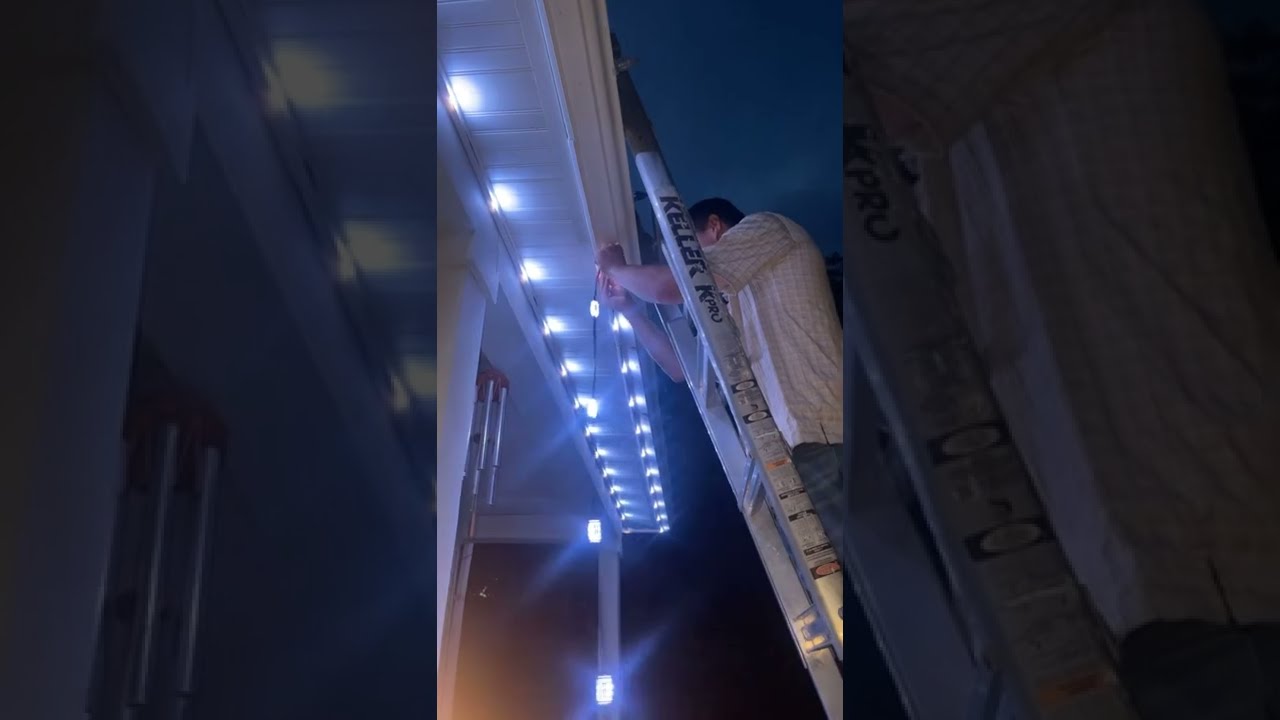
That is what great Long-term LED Lighting Installment actually is. Not simply lights connected to a roofline, yet a long lasting, well-judged improvement that fits your residential property, sustains your routines, and still looks right long after the uniqueness diminishes. When you discover that equilibrium between style, hardware high quality, installment skill, and solution support, the choice quits sensation like a wager and begins sensation like an upgrade you will certainly value every night you pull into the driveway.